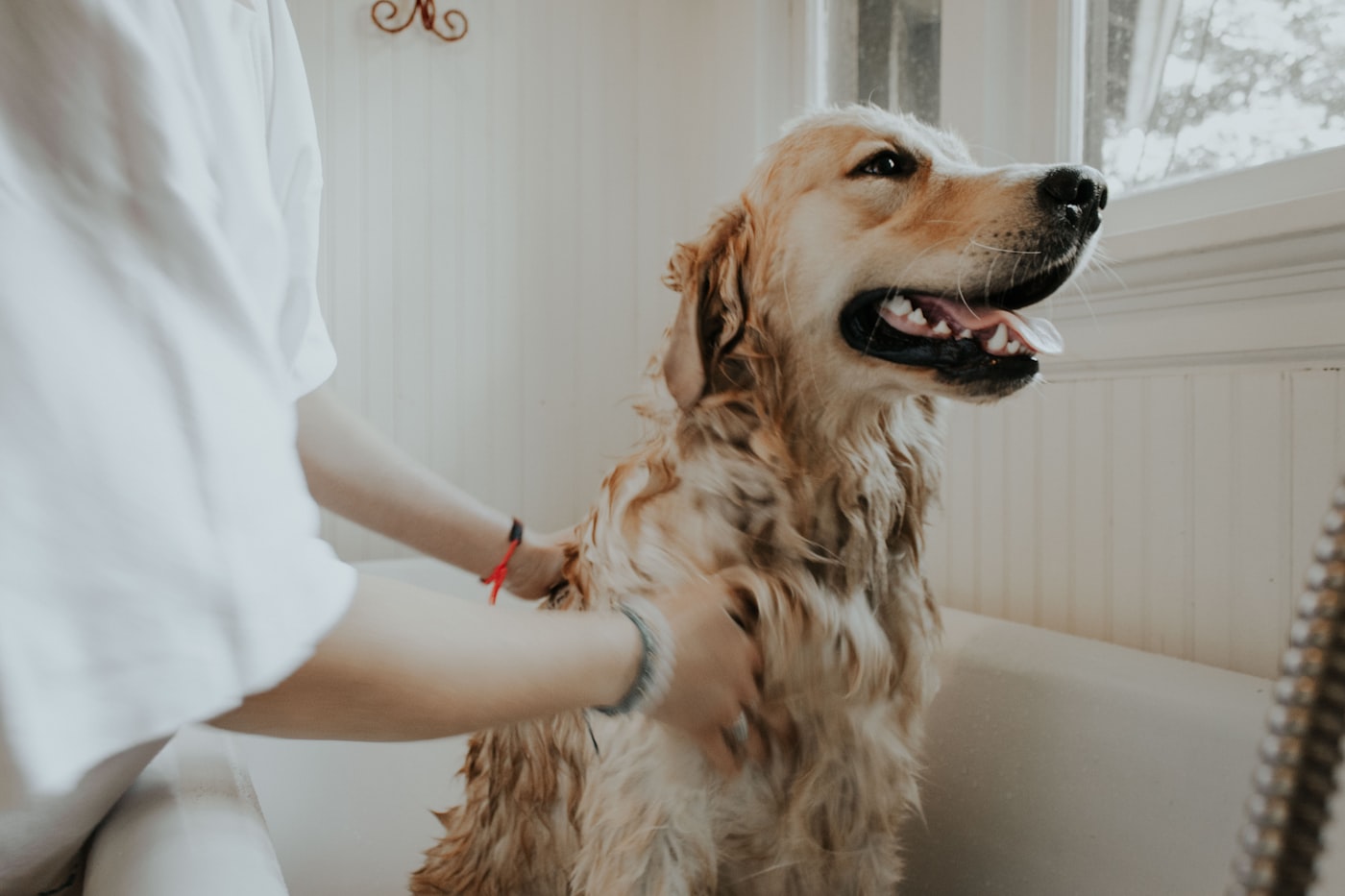
How This Practice Began
Most businesses start with opportunity. Ours started with frustration at watching animals receive care that prioritized efficiency over understanding.
After years working in conventional veterinary clinics and commercial pet services, the pattern became impossible to ignore. Animals treated as inventory. Behavioral issues labeled as disobedience rather than communication. Owners given generic advice that rarely addressed their specific situation.
The problem wasn't lack of competence. It was structural. When your business model requires seeing forty clients per day, there's simply no time for the kind of careful observation that proper animal care demands.
Building Something Different
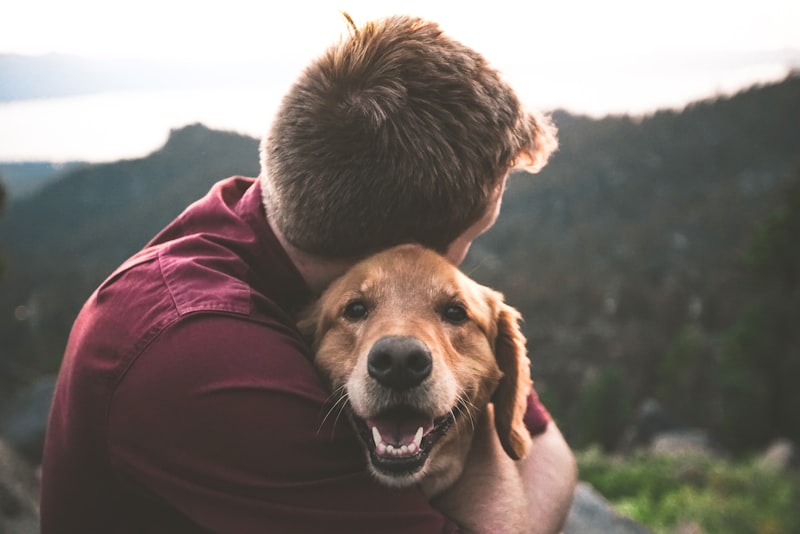
We established this practice with intentional limitations. Smaller client capacity. No double-booking. Extended appointment times. These constraints force us to remain focused on quality rather than volume.
The financial model works because clients stay. When you provide genuinely attentive care, people don't shop around. They refer friends. They return for multiple services. The lifetime value of a satisfied client exceeds what you'd gain from churning through dozens of one-time appointments.
Our Approach to Training
Every member of our team completes ongoing education beyond standard certification requirements. Not just technical skills, but behavioral science, stress recognition, and communication patterns across different species.
We study how animals learn. Not the simplified versions taught in basic training courses, but the nuanced research on cognition, social structures, and environmental impacts on behavior. This depth matters when you're trying to solve complex problems rather than just teaching basic commands.
What Guides Our Decisions

Three principles shape everything we do. First, observation before intervention. Watch, document, and understand patterns before attempting to change them.
Second, respect for individual variation. What works for one animal may create problems for another. Generic protocols have limited value.
Third, honest communication with owners. If we think another provider would serve you better, we'll say so. If a problem requires specialized veterinary care, we refer out immediately. Ego has no place in animal welfare.
Why Location Matters
We chose Cambridge deliberately. The concentration of research institutions means access to current scientific literature and connections with behavioral specialists. University partnerships allow us to stay current with emerging understanding of animal cognition and welfare.
The surrounding countryside provides space for outdoor activities without the density and chaos of urban environments. Dogs who struggle with noise sensitivity or social anxiety benefit enormously from quieter walking areas.
What We're Building Toward
This practice remains intentionally small. Growth means maintaining the same staff-to-client ratio, not diluting quality to increase revenue. We measure success by outcomes, not expansion.
The goal is simple: provide the kind of care we'd want for our own animals. Thoughtful, patient, and grounded in genuine understanding rather than convenience or convention.
Work With Us
If this approach resonates with what you're seeking for your companion, we'd welcome a conversation.
Get In Touch